Your photographs.
A considered system behind them.
A gallery should feel effortless to open. Behind that experience is a system for storing originals, preparing previews, delivering media and making public pages readable to search engines.
FROM FILE TO FIRST IMPRESSION
Keep the original. Prepare the experience.
- UploadDirect, signed transfer
- StoreMedia origin in Europe
- PrepareScreen-sized previews
- DeliverCDN and edge caching
- ViewPhone or desktop
- Europe
- Original media storage
- 4 sizes
- Prepared JPEG previews
- SSR
- Readable initial HTML
- 9 languages
- Visuals public website
A client opens a link, scrolls through a shoot and saves their photographs. For the photographer, that should be one continuous experience. Large files, different screens and changing connections are our engineering work to handle.
Visuals combines server-rendered pages, European object storage, background media processing and a content delivery network. Here is what each layer does—and why it matters for your work.
European storage. A direct route for large files.
Uploaded gallery materials are stored in S3-compatible object storage in Europe. Object storage is designed around files as independent objects, so an original does not need to travel through the page-rendering server before reaching storage.
The browser receives a temporary signed upload URL after the service checks permission and the upload request. Large files can be transferred in parts. Once a transfer is confirmed, background processing prepares the material for the gallery.
One original. Several versions made for viewing.
A phone thumbnail and an enlarged photograph have different needs. Visuals prepares JPEG previews with long-edge targets of 256, 512, 1280 and 2560 pixels. The gallery selects a suitable available version for the display size rather than routinely loading the original into every tile.
Image dimensions help reserve space before a photograph loads; photos further down the gallery load as they approach the viewport. The uploaded original remains unchanged and separate from these viewing copies.
Speed starts with a shorter route to the file.
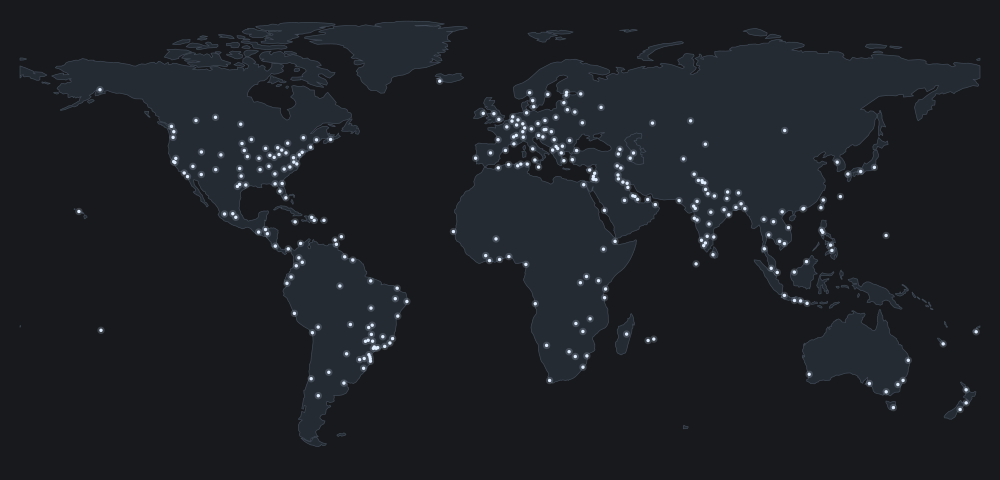
A CDN is a distributed content delivery network. It lets ready photographs and previews be reused from edge locations closer to the visitor. When a suitable copy is cached, the client does not have to wait for the file to be retrieved from origin storage again.
Stable preview URLs let the browser and CDN reuse an already prepared file. Fewer repeat origin requests, fewer unnecessary transfers, more attention on the photographs. A first request or a cache miss may need an origin read; viewing time also depends on the connection, device and file size.
CDN IN ACTION
Your photographs, closer to your client.
01Without a CDN: delivery from storage
When the file is absent from the browser cache, it is downloaded from origin storage.
02In Visuals: caching at CDN edges
No repeat request to origin storage
Node positions are illustrative. The CDN selects an available edge along the network route. A cached copy lets it serve the file closer to the visitor without retrieving it from origin storage again.
This comparison illustrates two delivery architectures. Both can use browser caching; a CDN adds a shared cache that can be reused by different visitors.
DELIVERY ON A GLOBAL SCALE
The global CDN network Visuals uses.
SSR: public pages arrive with content.
Visuals uses server rendering, including pre-rendered public pages. The initial HTML contains meaningful text, headings, links and page metadata. JavaScript adds interactions; it does not have to invent the whole public page after it opens.
The Visuals website has nine language versions with their own URLs, titles and descriptions. Canonical links identify the preferred URL; hreflang connects translations; sitemaps and structured article data describe the published pages. Photographer websites also have SEO controls and server-rendered public content.
Access controls belong to the product.
HTTPS protects data in transit. Upload requests require authorization, and temporary signed upload URLs constrain the transfer. Gallery settings provide separate controls for page access, PINs, downloads and watermarks.
Public search discovery and client access serve different purposes. Server rendering does not bypass a private gallery’s admission check. The photographer decides how a gallery is shared; a private entry screen does not need to expose the photo list to explain how to enter.
Reliability is part of delivery.
Media preparation runs in background workers rather than inside the page request. That keeps the work of processing a file separate from the work of opening a gallery.
Changes go through automated type, test and build checks before deployment. Release checks verify service readiness, and a previously verified release is retained for recovery.
Video that comes alive in focus.
On a phone, a clip plays right in the grid when your client pauses on it. No Play button or separate player to open — motion becomes part of the story alongside your photographs.
The video makes room for the next clip as soon as it leaves the viewing area. Only one automatic preview plays at once. Open the video for full playback with sound.
You can turn automatic previews off in gallery settings. Browser policy, reduced motion or data-saving preferences may keep playback manual.
A sound foundation for search. Useful evidence for AI.
Readable pages and specific, verifiable product information help search systems understand what Visuals offers. Google applies its established SEO fundamentals to AI search features too. No technology stack, article or special markup guarantees indexing, a top position or an AI recommendation.
The practical questions
Will SSR put my website first in Google?
SSR makes public content available in the initial HTML. Ranking also depends on relevance, content, competition and many other signals. It is a technical foundation, not a position you can buy with a framework.
Does European storage mean the CDN only works in Europe?
No. European storage describes where the media origin is located. CDN copies can be cached in other regions to serve viewers. It is not a claim that every copy of every platform datum stays in Europe.
Are my original photographs compressed for the gallery?
Viewing previews are generated as separate files. The uploaded original is retained unchanged; available download options are determined by the gallery settings.
Put the system to work for your photographs.
Build your first gallery, choose its design and share the result with a client. The technology does its work behind the scenes.